
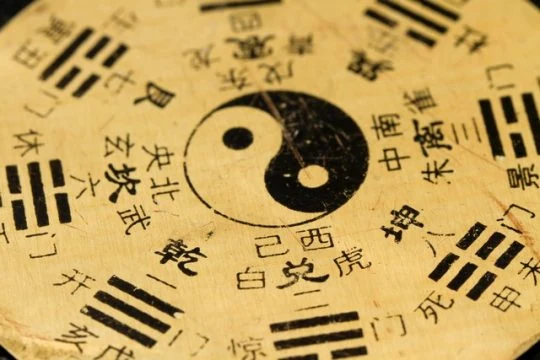
Acupuncture has a long history in China and gradually spread to other countries. Techniques, explanations and training settings changed over time. Traditional descriptions of Qi form a theoretical and cultural framework rather than a clinical measurement of self-healing. Contemporary practice uses fine needles, with possible discomfort and risks that require information and assessment.
Acupuncture is described within organised traditional systems. The historical existence of those systems does not by itself demonstrate that every treatment explanation they contain has been scientifically confirmed.
Reading the history requires distinguishing different questions, so that a theoretical framework is not presented as universal proof of an ability to diagnose, prevent or treat disease:
- Which theory does the historical source describe and in what setting?
- Which diagnostic methods were available during that period?
- Are there comparative data addressing a specific prevention claim?
- Which intervention was studied, in which people and with what outcomes?
- How does contemporary research relate to the original question, and what uncertainties remain after considering the available studies and the conditions in which their observations were recorded?
Medical acupuncture may be discussed for specific complementary aims according to diagnosis and evidence. It does not guarantee general health or balance and is not free from adverse effects. Appropriate training, safe delivery and information about uncertainty remain essential parts of the discussion.
Considering the person as a whole can include medical history, functioning and everyday needs. It does not mean that activating a general self-healing power will cure every condition or replace the need for appropriate assessment and care.
How acupuncture practice developed
This historical overview focuses on descriptions of the practice, while modern assessment examines specific applications.
Acupuncture history, traditional explanations and modern clinical research address different questions. An older reference shows how the method was described at a particular time. It is not by itself a current recommendation or evidence for every condition in a list.
For a description of the method, see Medical Acupuncture Methods. Related reading: Medical articles and health information.
Knowledge changes as it travels
The spread of acupuncture between countries was not simply the transfer of an unchanging handbook. Different languages, educational settings and ideas about health influenced how it was described and delivered. Two sources using the same broad label may therefore refer to substantially different procedures. Historical comparison needs these details rather than assuming that every account describes an intervention identical to the one offered today.
It is useful to ask who wrote a text and whom it addressed. A traveller’s diary may convey an observer’s impressions, while a teaching manual explains a particular school. Neither has the same purpose as a contemporary study designed to compare clinical outcomes. Recognising the intended audience helps a reader understand what an account can reasonably tell us and what it leaves unanswered.
Understanding the language of older sources
Energy, balance and meridian are terms used within traditional systems of thought. They should not automatically be treated as laboratory measurements or anatomical findings in the contemporary sense. A careful account explains when it is describing traditional theory and when it refers to research questions about nerves, local responses or the processing of pain within the nervous system.
This distinction supports historical study rather than obstructing it. It protects older texts from interpretations their authors may not have intended. It also helps a modern reader see which questions remain open. Identifying a biological change does not demonstrate that every formulation of a traditional explanation was literally correct, or that the change produces a useful clinical effect for every person and condition.
From recorded cases to systematic assessment
Older case collections may not consistently describe those who improved, those who did not respond and those who stopped attending. All three groups matter when interpreting results. Contemporary research records initial participant numbers and follow-up so that readers can assess how secure a conclusion is. Missing information about unsuccessful experiences can make an account appear more persuasive than the complete experience would justify.
The surrounding care has changed too. A historical patient did not necessarily have access to the investigations, medicines or procedures available now. An older report therefore cannot automatically answer whether adding acupuncture offers extra benefit within current care. That question requires a relevant comparison in an appropriate modern setting, rather than relying exclusively on observations collected under quite different diagnostic and treatment conditions.
Connecting history with a present decision
History helps explain how different schools and techniques developed. A decision about an intervention starts with the problem needing assessment. Discussion can clarify what is intended to change, how it will be monitored and which other options exist. An appeal to self-healing is not enough to identify the cause of a symptom or decide whether an intervention is appropriate for it.
When discussing medical acupuncture, ask for the proposed technique to be named and its relationship to the specific aim explained. Ask about possible discomfort, safety measures, cost and the review point as well. Cultural and historical knowledge can enrich this conversation, while diagnosis, evidence and the person’s circumstances remain necessary for an informed choice without a promise of benefit based simply on tradition. The source’s purpose and the treatment context should remain visible whenever an older observation is used in a present discussion about care.
Sources for further information
Medical acupuncture and evidence
How does tradition relate to present-day assessment?
Tradition provides historical and cultural context. Benefit, risk and suitability are assessed separately for the present-day application.
Does recognition of a method establish an indication for every condition?
No. Training, regulation of instruments and evidence of effectiveness are different matters. Each application is considered for its particular purpose, medical history and relevant evidence.