
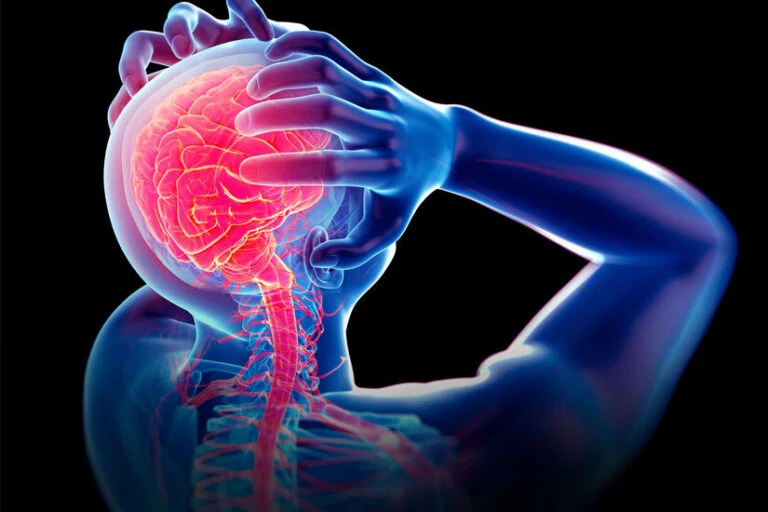
Acupuncture has been studied for the prevention of episodic migraine. A systematic review of randomised trials found a greater reduction in headache frequency compared with no acupuncture, and a smaller difference compared with sham acupuncture. The results do not guarantee an individual response.
The earlier reference to a WHO list of conditions and an FDA conclusion is removed because it is not substantiated by a specific current source. FDA regulation of needles does not amount to approval of the practice for the conditions listed in the text.
How does migraine differ from a headache?
Migraine commonly causes moderate or severe headache, which may affect one or both sides. It can be accompanied by nausea and sensitivity to light or sound. Some people experience aura, including visual or sensory symptoms. Features vary, so the diagnosis depends on clinical assessment rather than one symptom being present in every attack.
As a result of the pain and the other symptoms, a person with migraine cannot carry out normal activities during an attack and may need to lie down in a dark room.
Beyond this, however, people with migraine often live with anxiety about when the next attack will occur, and their quality of life is affected even on the days of the month when they are not in pain.
Each patient will have visited their treating physician, who will have made the diagnosis and recommended the appropriate medication.
Acupuncture may be discussed as a complementary option for migraine prevention following clinical assessment. It is not a guaranteed treatment, and medication should not be changed without consulting the treating physician.
What evidence does the article provide about acupuncture?
The specific claims about mechanisms in the earlier list are removed because the article does not link them to sufficient evidence. Evidence of a possible preventive benefit does not in itself establish a particular biological mechanism.
Factors and safe self-management
The earlier list of general advice and factors is removed because it does not constitute an individualised recommendation. Possible triggers and changes in caffeine, hydration or supplements differ between individuals and should be discussed with the appropriate healthcare professional.
References
- Coeytaux RR, Befus D. Role of Acupuncture in the Treatment or Prevention of Migraine, Tension-Type Headache, or Chronic Headache Disorders. Headache. 2016 Jul;56(7):1238-40.
- Graff DM, McDonald MJ. Auricular Acupuncture for the Treatment of Pediatric Migraines in the Emergency Department. Pediatr Emerg Care. 2016 May 2.
- Dach F. Acupuncture for migraine prophylaxis. Sao Paulo Med J. 2015 Nov-Dec;133(6):540.
- Hayhoe S. Acupuncture for episodic cluster headache: a trigeminal approach. BMJ Case Rep. 2015 Sep 10;2015.
- Du R, Wang Y, Liu X, Liu Z. Acupuncture for acute migraine attacks in adults: a systematic review protocol. BMJ Open. 2015 Apr 13;5(4).
How to read the information about migraine and acupuncture
The article distinguishes basic features of migraine, states that diagnosis and treatment are determined by the treating physician, and presents acupuncture as a possible complementary option. The article’s references do not predict a particular person’s response and do not replace medical assessment.
Prevention and treatment of an attack are different goals
Migraine care can address an attack already in progress or aim to reduce future attacks. These are different questions, and evidence about prevention should not be presented as proof that a session will stop an acute episode. Before discussing acupuncture, clarify which goal is intended, how the diagnosis was made and what treatment is already available for the person’s attacks.
Migraine does not look identical in everyone. Pain may affect one or both sides, and associated symptoms can vary. Aura can occur with or without the pattern expected from previous attacks. A new or substantially different presentation deserves assessment rather than being fitted automatically into an existing diagnosis. A general article cannot determine whether a particular headache is migraine or another condition needing a different response.
A diary gives the review a baseline
Record headache days, days affected by migraine symptoms, duration, interference with activities and medicines used. These details help distinguish a change in frequency from a change in severity. They also make it easier to discuss whether an apparent improvement exceeds the usual variation from month to month. There is no need to make the diary complicated; consistent information is more useful than occasional detailed entries.
Medicine use belongs in the same record because frequent use of acute treatments can contribute to medication-overuse headache. Discuss the pattern with the treating professional rather than stopping prescribed treatment independently. The diary can also identify a possible relationship with menstrual periods or other circumstances, without assuming that every event preceding an attack caused it or that avoiding one suspected trigger will prevent all attacks.
What the evidence can support
Systematic research has examined acupuncture for preventing episodic migraine. The comparison matters: differences against no acupuncture are generally larger than differences against sham procedures. Average findings do not establish a guaranteed individual response. They also do not show that every needling protocol, auricular approach or light-based technique has the same evidence, even when all are described under the broad heading of acupuncture.
NICE considers acupuncture for migraine prevention in a defined situation when specified preventive medicines have not worked, are not tolerated or are unsuitable. This is a conditional recommendation within a care pathway, not a claim that everyone needs the same course. Personal preferences, other conditions and adverse-event risks remain part of the decision, together with an explanation of reasonable alternatives and the planned review point.
Safety and practical decisions
The discussion should cover the proposed technique, possible unwanted effects, what a visit includes and the total commitment being considered. A research schedule is not automatically a prescription for an individual. Agree how progress will be assessed and what happens if the agreed aim is not reached. Existing preventive or acute medicines are reviewed with the clinician responsible for them.
A sudden extremely severe headache, new neurological symptoms or a major change from the usual pattern needs prompt medical assessment; do not wait for a booked session. Keeping clear instructions for changes between appointments is part of coordinated care. Cost information should describe the actual proposal and its uncertainties, rather than using a trial’s average result as a promise of benefit or a reason to commit indefinitely.
Sources for further information
Migraine and acupuncture: evidence
Prevention of episodes, attack intensity and follow-up duration are separate considerations when discussing migraine research.
Explore Headaches – Migraines or read how Medical Acupuncture Methods is presented at Satory.
Frequently asked questions about this article
Which features of migraine does the article mention?
The article describes pain that is often located on one side and may be accompanied by nausea, vomiting and sensitivity to light, sounds or smells. A new, sudden or unusually severe headache requires immediate medical assessment.
Is a description of symptoms sufficient for a diagnosis?
No. The article itself states that the diagnosis and appropriate treatment are determined by the treating physician. Different types of headache may require different investigations.
How is acupuncture presented in relation to treatment?
It is presented as a possible complementary option, accompanied by references. This mention is neither a guarantee of results nor a reason to stop or change prescribed treatment.
What should be discussed before a session?
The medical diagnosis, history of attacks, current medication, previous treatments and individual suitability of the method need to be discussed.