
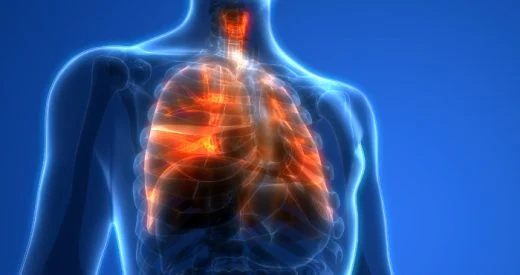
Light cigarette consumption is not harmless. A study published in 2019 examined the course of lung function in more than 25,000 people, including current smokers, former smokers and people who had never smoked. This is not a new study from the current year, nor an individual diagnosis of lung damage in any particular reader.
Columbia University researchers used repeated measurements and published their findings in The Lancet Respiratory Medicine. Participants smoking fewer than five cigarettes daily had additional annual decline in expiratory function closer to that of heavier smokers than the large difference in cigarette consumption might suggest.
The comparison of one year with approximately nine months describes the average additional rate of decline in lung function in the particular groups studied. It does not mean that every consequence of smoking, probability of disease or individual person’s condition is exactly the same regardless of quantity and previous exposure. Nor was airflow measurement a photograph showing an anatomical injury.
Differences were also observed in former smokers decades after stopping. This does not establish an individual recovery deadline, mean that stopping offers no benefit or justify continuing to smoke. The lower additional rate of decline after stopping remains an important finding, and comparisons with never smokers should not obscure that distinction.
The research supports offering help to stop smoking, including to people who smoke only a few cigarettes. Personal assessment includes the complete history and symptoms without turning a group average into a prediction for everybody.
Occasional smoking: research findings
This article concerns comparisons between research groups. The label occasional does not by itself measure exposure or predict an individual’s risk.
Stopping smoking involves dependence, habits and everyday situations. Preparation is more than choosing a date. It includes identifying difficult moments, support from others and a plan for a lapse. Restarting an attempt does not invalidate the goal.
For a description of the method, see Medical Acupuncture Methods. Related reading: Smoking Cessation and Supportive Methods.
Light smoking deserves a complete history
Occasional smoking can disappear from a medical history when somebody does not identify as a smoker. The relevant question is broader than whether they buy a packet every day. Days smoked each week, cigarettes during a night out, smoking in the car and previous periods of regular use all help describe exposure. An honest record is more informative than labels such as social smoker or casual smoker, particularly when discussing a change.
The research described here concerns changes in measurements of lung function. It is not a personal test and cannot calculate an individual reader’s lung damage from their cigarette count. Age, accumulated exposure and other circumstances belong in clinical assessment. Its practical message is that a small daily consumption does not provide a safe category outside the effects of tobacco smoke. Comparing yourself only with a heavier smoker can hide the importance of your own pattern.
Understanding what the study measured
Researchers compared groups and followed changes in expiratory function. A difference between group averages does not mean every participant follows the same rate of decline. Measuring airflow is also different from photographing an anatomical injury. Phrases such as visible damage or an exact recovery deadline therefore require care when translating statistical findings into everyday language. The study helps challenge assumptions about low consumption without diagnosing everyone who has ever smoked a few cigarettes.
Persistent differences between former smokers and people who never smoked do not cancel the benefits of stopping. Comparing those two groups addresses a different question from comparing stopping with continuing. A person does not need every previous risk to disappear before they have a reason to stop today. A clinician can explain which findings are relevant to their situation and avoid turning a long term observation into a discouraging prediction about their future health.
Turning a record into a workable plan
For a week, note when the urge appears: with alcohol, with coffee, while waiting or when friends smoke. Next to each situation, write a practical alternative, such as changing seats, briefly leaving a smoking area or preparing a response when offered a cigarette. The purpose is to identify recurring circumstances. It is not a moral scorecard or a reason to conceal a difficult day from the person providing support with your quit attempt.
Reducing consumption can be discussed as a step towards stopping completely, without describing a lower number as a safe final destination. Where dependence or difficulty stopping is present, behavioural support and suitable medication are options for assessment. The choice depends on medical history, previous attempts, preferences and contraindications, even when the cigarette count looks modest beside somebody else’s. Asking for help does not require first becoming a heavy smoker or developing a diagnosed smoking related illness.
Preparing for a clinical discussion
Mention persistent cough, breathlessness, wheezing and reduced exercise tolerance, including their duration and any change. Whether spirometry or another investigation is appropriate is a clinical decision, rather than something determined by an article headline. New or severe breathlessness, chest pain or blood in sputum needs timely assessment. Such symptoms should not automatically be dismissed as an ordinary consequence of a habit, and an online description cannot establish their cause or required treatment.
Ask about the cost of support and what follow up includes. Comparing a single appointment price is less useful without understanding how difficulties can be reassessed. The article on preparing to quit can help organise that discussion around a specific next action, an agreed contact plan and realistic preparation for the occasions that previously led to just one cigarette. Small numbers still deserve a serious and supportive conversation about stopping tobacco use altogether.
Sources for further information
Planning a smoking quit attempt
Why does a study consider smoking duration too?
Frequency does not describe the whole history. Duration and how exposure is recorded affect comparisons between participants.
What is useful to discuss before a quit attempt?
Previous attempts, situations that trigger cravings, daily routines and available support are useful starting points. A health professional can explain cessation options and follow-up.