
Musculoskeletal conditions affect muscles, joints, tendons, ligaments and the spine. This category organises articles on different forms of pain and complementary options. Being grouped together does not mean that lower back pain, shoulder pain and a tendinopathy have the same cause or need the same management.
Articles in this section
9-

Treating tendinitis with acupuncture
-
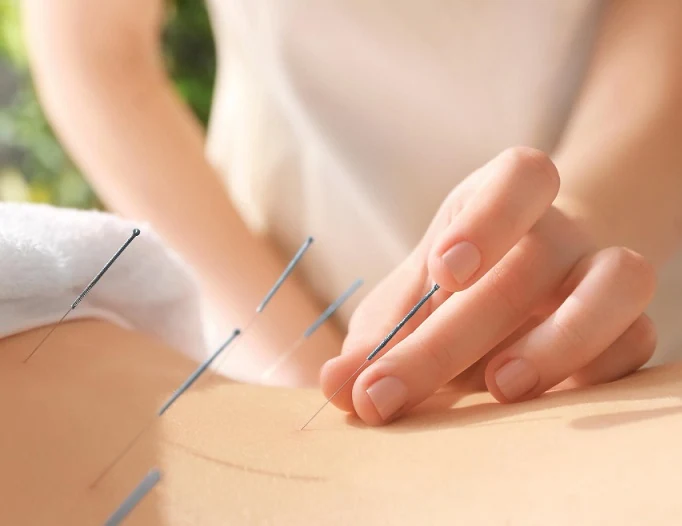
Lower Back Pain/Lumbar Sciatica: Treatment with Acupuncture
-
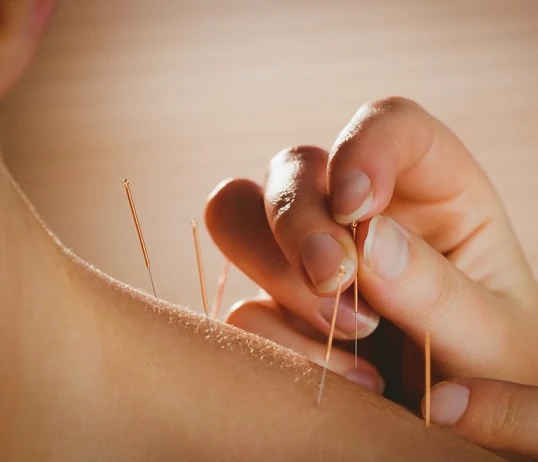
Neck Pain: Treatment with Acupuncture
-
Treating Low Back Pain with Acupuncture
-

Restless Legs Syndrome
-

Sports Injuries and Acupuncture
-
Acupuncture for Lumbar Sciatica
-

Acupuncture in the Management of Trigeminal Neuralgia
-

Managing arthritis with acupuncture
Why an accurate assessment of pain is needed
Assessment considers the mechanism of injury, duration, range of movement, strength, history and symptoms that may suggest another cause. New weakness, numbness with loss of function, problems controlling the bladder or bowel, fever after an injury or severe unexplained pain require immediate medical assessment. Relieving a symptom does not always mean resolving its cause.
Safe movement and complementary care
Use the articles to understand the difference between an acute and a chronic problem, organise questions and consider precautions. Movement and loading are adapted to the specific problem. Acupuncture may be discussed as a possible complementary option for certain cases of pain, without replacing diagnosis, rehabilitation exercises or other indicated treatment.
Note which movements increase or reduce the symptom, whether there is morning stiffness and how function changes throughout the day. Complete immobility is not always the best solution, just as persisting with intense exercise is not always safe. A gradual return is determined by the specific diagnosis. Each complementary session is assessed against measurable goals, such as range of movement, endurance or sleep quality.
Related Information and Next Steps
Explore the relevant services, such as traditional or sports acupuncture, and discuss which approach makes sense for your situation. sports acupuncture in Marousi. Also see the services guide and the articles hub.
Finding an article that matches your question
Start with the body area or activity related to your concern, then read the context of each article. Writing about back pain may address a different situation from a report about discomfort extending into a leg. A shared category helps navigation without making diagnoses interchangeable. Keep the question raised by a title and check whether the introduction actually addresses it. This avoids treating every publication as confirmation of the same explanation, particularly when the problem has not yet received appropriate individual assessment. The article can help prepare a discussion rather than determine what is causing your symptoms.
Pain, movement and loading
The article about tendinitis can provide a starting point for questions about discomfort and activity. Note which movement is difficult, when the problem occurs and what has changed in everyday life. You do not need to deliberately repeat a painful movement to produce evidence for your description. An established diagnosis and rehabilitation programme provide the relevant context. Feeling more comfortable and being ready for demanding activity are different questions. Ask who is responsible for each decision and how a complementary application would fit into the overall programme rather than replacing the other parts of recovery.
Different questions about the lower back
When reading about lower-back pain, check the condition described and the qualifications attached to the discussion. The name of a symptom does not choose a treatment by itself. Distinguish its location, effects on activities and what has already been investigated. General information is not a personal diagnostic test. If you want to discuss a study, keep its title and the exact outcome that interests you. A conversation becomes more precise when it addresses a particular finding rather than using a broad reference as evidence that every type of pain should be managed in the same way.
Understanding what an outcome measures
Check whether a report measures pain intensity, movement, medicine use or daily function. These are related but different outcomes. Ask which would matter for your own needs and how it could be compared with the starting situation. Follow-up length also varies between studies. An immediate response after an application does not by itself predict how long an effect will remain. Changes in other treatment should be mentioned when interpreting progress. Reading then stays connected to a clear question rather than becoming a personal forecast based on one publication or another person's account of their experience.
Preparing for a diagnosis and treatment discussion
Bring available reports and the treating clinician's instructions. Describe the timeline, current medication and what has already been tried, focusing on changes relevant today. People using a similar diagnostic label do not necessarily require identical investigations. Further assessment should be decided individually by the appropriate professional. If acupuncture is considered, ask about the particular method and its intended role. An application is not by itself a reason to change medicine or rehabilitation. Clear coordination helps you understand who is responsible for different decisions and which questions belong with the professional overseeing the underlying condition.
Costs and a planned review
The articles do not set prices or prescribe an identical session programme for every musculoskeletal condition. Contact Satory for current fees and clarify what the assessment includes. If a complementary application or combination is proposed, ask about its purpose, charge and review point. Meaningful cost comparisons require the same service description. An understandable plan leaves room to reconsider further visits in relation to your response and priorities. Keep a short list of questions from your reading so that an individual conversation addresses actual needs, practical limits and clearly described options before decisions about continuing are made.
Pain, movement and rehabilitation
When reading about the neck, back or joints, identify the particular concern addressed by each article. Pain location alone does not determine a diagnosis or the choice of an approach. Describe difficult movements and the care you already receive when seeking an individual assessment.
Related information from Satory in Marousi: sports acupuncture. The Contact page and appointment page help you organise an individual discussion at 3 Paradisou and Epidavrou, Marousi, serving visitors from Attica.
Frequently asked questions about musculoskeletal conditions and pain
Does all musculoskeletal pain have the same cause?
No. Different tissues and mechanisms can cause similar symptoms.
Does acupuncture replace rehabilitation?
No. It may be discussed as a complementary option, but it does not replace diagnosis, appropriate exercise or other indicated treatment.
When is immediate assessment needed?
New weakness, serious injury, fever, loss of function or problems controlling the bladder or bowel require immediate assessment.
The information is general and does not replace individual medical assessment, diagnosis or treatment.
Numerous studies have shown that acupuncture has an analgesic effect due to the release of endorphins (which provide the patient with pain relief) and other neurochemical substances that change pain processing in the brain and spinal cord. In addition, acupuncture for musculoskeletal problems is used to release muscle spasms (trigger points) that develop within muscles.