
LLLT, from the term Low Level Laser Therapy, describes applications of low-level light. In the archive, it is associated with articles on laser acupuncture and other uses of light without needles. This grouping helps readers navigate by topic, but does not mean that all devices, parameters or applications have the same purpose and evidence base.
Articles in this section
12-
Photobiology of LLLT
-
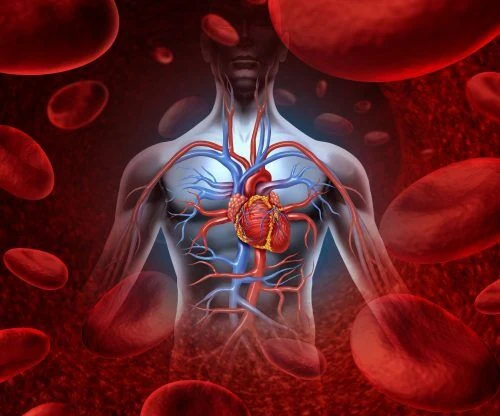
Ultraviolet blood irradiation: historical references
-

Analgesia and Mobilisation with Acu-LLLT
-

Acu-LLLT for Ringing in the Ears (Tinnitus)
-

Acu-LLLT Acupuncture for Rhinitis/Nasal Congestion/Chronic Rhinosinusitis
-
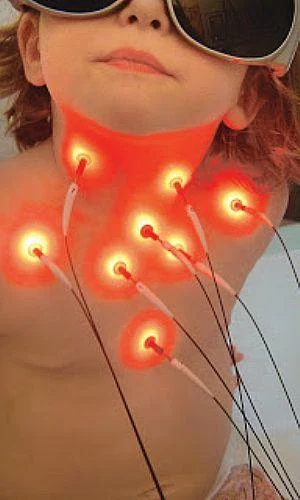
Acupuncture with Therapeutic Light EY-LLLT
-

External Therapy with Acu-LLLT
-
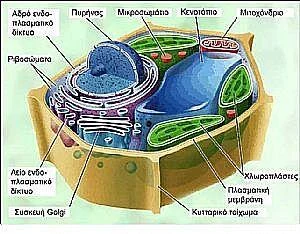
The photobiology of EU-LLLT
-
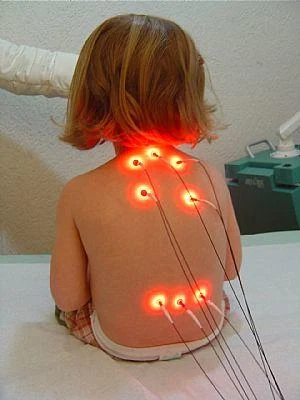
Mode of Action of EY-LLLT
-

Actions of EY-LLLT
-

Mechanisms Responsible for the Action of EY-LLLT
-

Intranasal low-level light application: an overview
What LLLT is and how it differs
Assessing an application requires distinguishing the wavelength, power, duration, area and reason for use. The word laser alone does not describe a single protocol. Similarly, the absence of a needle does not mean that every application is suitable for everyone. Eyes, photosensitivity, medication that affects the response to light and particular conditions require attention.
Safety and proper assessment
When reading the articles, look for a clear description of the method, its limitations and precautions. Claims about results should relate to the specific application rather than being generalised to every device. Before a session, the history, diagnosis, treatment and goal are discussed to decide whether there is a reason to incorporate the method into an overall plan.
Before comparing LLLT applications, ask for clarification of the device, wavelength, area, duration and purpose of the session. The same commercial term may describe different protocols, so a general mention of laser is not enough. Eye protection, skin condition and medication must be considered. Outcomes are assessed against specific, realistic goals.
Related Information and Next Steps
See the page on laser acupuncture in Marousi, as well as the services hub for the available methods. laser acupuncture in Marousi. Also see the services guide and the articles hub.
Different applications behind a shared name
This category includes terms such as LLLT, laser acupuncture and photobiomodulation. Check the exact procedure described before assuming articles concern identical applications. Stimulation of acupuncture points with laser and another local use of light are not automatically equivalent. A shared reference to low power is insufficient to transfer results between methods. The category helps organise these distinctions. Individual choices require medical history, diagnosis and information about the intended goal rather than selecting equipment or a technique solely from a general description. A name can guide reading without determining suitability or the likely response in a particular person.
Practical information about laser acupuncture
The laser acupuncture page explains questions before an application. Ask which area is involved, what equipment is proposed and which precautions relate to the procedure. Avoiding a needle at points receiving light does not remove the need for assessment. Mention medicines, previous reactions and existing care. You do not need technical settings to understand a proposal. Selecting and applying them is the responsibility of the trained professional, while your information should explain the purpose, process and limitations. Ask for clarification when methods are combined so you understand the role of each part of the visit.
Photobiology and the level of evidence
When reading the LLLT photobiology article, distinguish a biological response from a clinical outcome. A change in cells or an experimental model does not by itself predict every person's result. Ask which tissue and outcome were examined. Energy at a cellular level is not interchangeable with a general sense of wellbeing. This distinction helps avoid turning a possible mechanism into a treatment promise. Keep the publication title and finding that interests you so an individual discussion addresses a specific question and its relevance to your situation rather than an impression created by technical language alone.
Parameters and comparable research
Wavelength, power, duration and application method help identify whether similar procedures are being compared. They are not self-treatment instructions. The same broad or commercial name does not confirm identical exposure or a treatment protocol. Check participants and follow-up as well. A result for one condition does not automatically transfer to another indication. Information becomes more useful when it explains limitations alongside possible applications. There is no need to choose a method because the terminology sounds impressive or because different equipment was described positively in a publication. A clear account should connect the evidence with the exact proposal being considered.
A goal and a way to review progress
If an application is discussed, agree on a worthwhile change and how to describe the starting point. Discomfort intensity, function and a laboratory measure are different outcomes. Mention changes in medicine, activity or other care. Ask when usefulness will be reconsidered and what would prompt revision. Further applications need a clear reason rather than repetition because a method has already been started. Comfort and the ability to ask questions should remain part of the process, particularly when there is discomfort or a new concern. This keeps the plan connected to actual experience rather than an assumed standard response.
Prices and the service included
Before visiting Satory, request current charges and clarify which application the price covers. Ask what assessment includes, whether combinations are proposed and how follow-up would be priced. Comparing a name or appointment duration does not necessarily compare the same service. An overall budget needs a goal and review point rather than an arbitrary session count for everyone. Understanding the process, limitations, time and costs helps you consider the option according to actual information and your circumstances before making additional practical or financial commitments. It also leaves room to clarify what remains uncertain before deciding on further visits.
Sources for further information
From photobiology to a particular application
The articles use terms including LLLT, low-level laser and photobiomodulation. A shared term does not make devices, settings or application areas equivalent. Distinguish a description of a mechanism from the outcome examined in a particular study.
Related information from Satory in Marousi: laser acupuncture. The Contact page and appointment page help you organise an individual discussion at 3 Paradisou and Epidavrou, Marousi, serving visitors from Attica.
Frequently asked questions about LLLT acupuncture and low-level laser
What does LLLT stand for?
It stands for Low Level Laser Therapy, a term the site associates with the application of low-level light.
Is LLLT the same as acupuncture with needles?
Not necessarily. On the site, it appears as a distinct light application or as a topic that may be associated with acupuncture techniques.
Is it suitable for everyone?
No general assurance can be given. Suitability, precautions and realistic expectations require individual assessment.
The information is general and does not replace individual medical assessment, diagnosis or treatment.