
Chronic pain persists beyond the expected healing time or recurs over a long period. It can affect sleep, movement, mood and work. This category brings together articles on different forms of pain and complementary options without treating everyone as though they have the same underlying mechanism or the same needs.
Articles in this section
13-
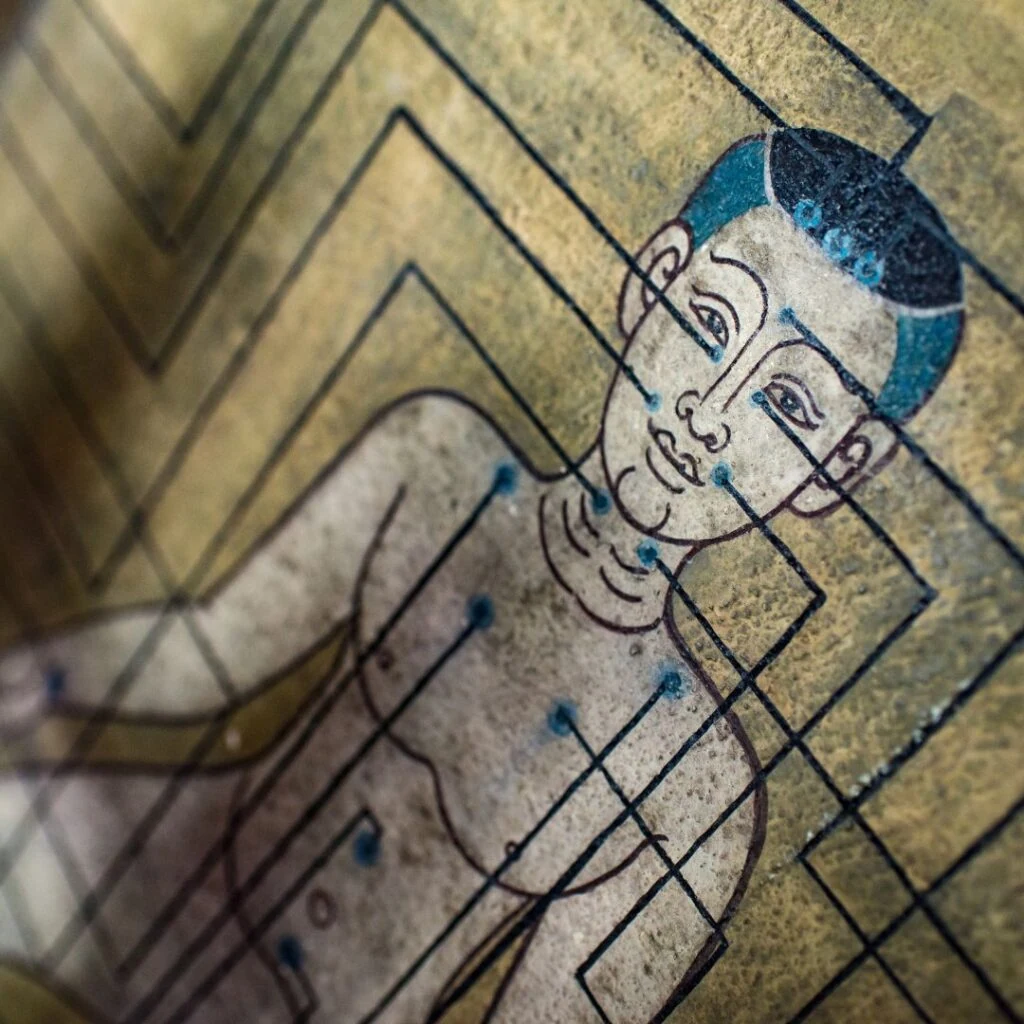
How Acupuncture Works on Pain: What Scientists Explain
-
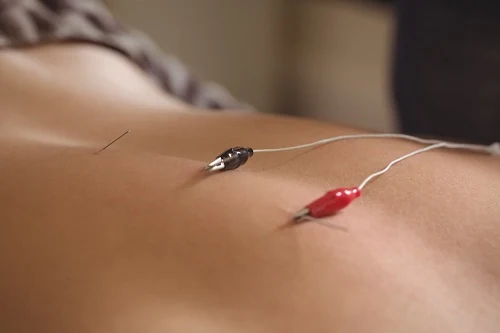
Postoperative Pain: Acupuncture for Recovery
-

Lower Back Pain/Lumbar Sciatica: Treatment with Acupuncture
-

Managing Postoperative Pain with Acupuncture
-

Managing Irritable Bowel Syndrome with Acupuncture
-
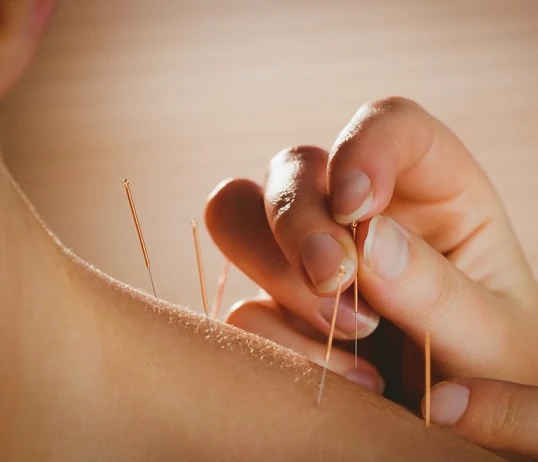
Neck Pain: Treatment with Acupuncture
-
Treating Low Back Pain with Acupuncture
-
Acupuncture for Chronic Pain
-

Analgesia and Mobilisation with Acu-LLLT
-

Acupuncture in pain control
-

Acupuncture in the Management of Trigeminal Neuralgia
-

Headache, head pain, migraine
-

Managing arthritis with acupuncture
Pain as a Multifactorial Experience
Pain intensity is important, but it is not the only factor. Function, strength, sensation, sleep, treatment and psychosocial factors shape the overall plan. A method may be considered for symptom management without implying that it treats the cause. New neurological symptoms, fever, severe injury or rapid deterioration require timely medical assessment.
Realistic Goals and Safe Self-Management
Useful strategies usually combine appropriate movement, pacing of activities, sleep, medication or other treatment, and support for managing flare-ups. Acupuncture can be discussed as a possible part of this combination after assessment. Goals need to be specific, such as better function or more manageable flare-ups, rather than an absolute promise that pain will disappear.
A pain diary is more useful when it records activity, function, sleep and treatment, not just an intensity score. Flare-ups are examined to adjust pacing, rather than to create fear of every movement. Discuss how it will be decided whether a complementary method is worth continuing, over what period and with which practical indicators of progress.
Related Information and Next Steps
Explore traditional acupuncture and the other services in Marousi to understand the process and precautions. traditional acupuncture in Marousi. See also the services guide and the articles hub.
Begin with the person's experience
Reading about chronic pain becomes more useful when connected to everyday life. An intensity score alone cannot describe work, travel, rest or participation in something important to you. Choose a priority you want to discuss and keep examples. A record is not intended to prove that your experience is real. It helps make the support you need more understandable. Investigation results and your personal account provide different information that should be considered together. The discussion can then address your actual circumstances rather than treating every persistent pain experience as an identical problem with one standard solution.
Chronic pain and musculoskeletal topics
This category connects with musculoskeletal conditions and pain, but is not limited to one body area. If you are reading about a particular condition, distinguish information about its diagnosis from broader discussion of persistent pain. Different needs can coexist and do not have to be explained by a single term. Ask what the current diagnostic picture is and what would prompt reassessment. An earlier explanation does not remove the need to assess a changed situation. Reading can organise questions for the appropriate professional without replacing examination or decisions based on the individual history and current presentation.
Mechanisms and clinical meaning
The article about acupuncture and pain mechanisms provides a different level of information from an individual treatment decision. A recorded neural response or laboratory change does not determine how daily life will change for a person. Ask which outcome is examined and whether it relates to the condition you want to discuss. Distinguishing a possible mechanism from clinical benefit helps keep expectations specific. There is no need to accept or reject a method solely because of a technical explanation. The relevant evidence, limitations and intended goal provide a more concrete basis for considering a proposal.
A plan that allows for change
Progress may include better and more difficult periods. Discuss how to describe a change and what information the treating clinician needs to assess it. A plan need not focus exclusively on keeping a pain score unchanged. It can also consider activities and support needs that matter to the person. Choosing goals is individual and needs a clear explanation. A new concern should not automatically be assigned to the previous picture. Reassessment provides room to consider new information and revise decisions rather than repeating an intervention without a clear reason or an understanding of what is being monitored.
Coordinating different interventions
If you use medication, exercise, rehabilitation or other support, describe the whole programme. Changes in one part influence the interpretation of progress. Do not stop treatment because of an article or because complementary acupuncture is being discussed. Ask who oversees each goal and how to clarify instructions that appear unclear. Personal comfort and practical constraints should also have a place in the conversation. An understandable plan describes what is proposed, why it is being considered and when its usefulness will be reviewed within the wider care you receive. This can help keep separate recommendations connected and easier to follow.
Prices and the opportunity to reconsider
Ask Satory for current charges and a clear description of the service. Clarify what the first assessment covers, how later applications are priced and when review will take place. The word chronic does not automatically mean unlimited appointments or the same cost for everyone. A budget should relate to a defined goal and actual progress. You can discuss limits on time and travel from the beginning. Being able to raise new questions and reconsider the next step helps keep the treatment choice personal, informed and connected to the circumstances you have now rather than an assumed fixed programme.
Considering chronic pain within the wider history
The section brings together different pain concerns and research questions. The duration of a concern does not establish one uniform approach. Note your diagnosis, existing care and the daily activities you would like to discuss in an individual assessment.
Related information from Satory in Marousi: electroacupuncture. The Contact page and appointment page help you organise an individual discussion at 3 Paradisou and Epidavrou, Marousi, serving visitors from Attica.
Frequently Asked Questions About Chronic Pain and Complementary Management
Does chronic pain always mean there is new damage?
No. Persistent pain can be influenced by many factors and requires an overall assessment.
Does acupuncture treat the cause of every kind of pain?
No. It can be discussed for symptom management in some cases, without a guarantee or replacement of diagnosis.
What is a realistic goal?
Goals such as better function, sleep or management of flare-ups are more useful than an absolute promise that pain will disappear.
The information is general and does not replace individual medical assessment, diagnosis or treatment.