
Weight management is a complex process associated with nutrition, movement, sleep, anxiety, health and daily habits. This category brings together articles on related approaches, including auricular acupuncture and hypnotherapy, so that readers can find information in an organised way and distinguish support from a promise of results.
Articles in this section
6-
Prediabetes and electroacupuncture: research questions
-
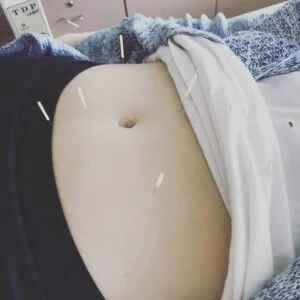
Obesity Poses Health Risks
-

Weight and migraine: what the research report describes
-

Auricular acupuncture and weight: goals and eating habits
-

Cellulite and acupuncture: aesthetic goals and expectations
-

Weight and hypnotherapy: eating habits and goals
What responsible weight management means
No individual article and no complementary method can determine a safe plan on their own. Needs differ when there are metabolic diseases, hormonal disorders, eating difficulties or medication use. References to possible support for appetite, relaxation or consistency do not amount to guaranteed weight loss and do not replace medical or nutritional monitoring.
How to use the articles
When reading, check which goal each text examines, whether it mentions limitations and whether it avoids specific promises about kilograms or time. A realistic plan assesses the person’s history, tests where needed, current medication and habits that can be maintained. Progress is monitored as a whole and adjusted when needs change.
Progress in weight management is not reflected only on the scales. Body measurements, fitness, sleep, the relationship with food and the ability to maintain a change provide a more complete picture. Consider whether a programme adapts to the person’s medical needs, schedule and habits. Promises of very rapid results, strict exclusions and stopping treatment without medical consultation are reasons for greater caution.
Related Information and Next Steps
You can read more about auricular acupuncture and discuss at the practice in Marousi whether it can provide support within your own plan. auricular acupuncture in Marousi. See also the services guide and the articles hub.
Start with your own goal
Information about weight does not have to begin with a promise to lose a particular number of kilograms. Consider the question you want to discuss: everyday eating, a habit, existing medical care or understanding a complementary method. Needs differ between people. You can explain priorities without judgements about appearance and without assuming every symptom is caused by weight. Individual assessment needs the medical history and wider health picture. This category helps organise questions rather than asking you to construct a personal programme from unrelated article titles or another person's account of what worked for them.
Information to prepare for a conversation
Note significant changes, previous attempts and difficulties with following them. Mention medication, established diagnoses and care already in place. You do not need to arrange tests or start a restrictive programme to prepare. The appropriate professional should decide what assessment is required. Practical circumstances also matter and need not be reduced to an issue of willpower. A plan is easier to understand when connected to actual opportunities and personal goals. You can ask about monitoring and coordination before any treatment choice is made, particularly when different professionals are responsible for different aspects of your health.
Reading about auricular acupuncture
The auricular acupuncture page explains a method and questions to consider before an application. It does not guarantee weight loss or replace individual care. If an article reports an appetite change, distinguish that finding from sustained weight change over time. These are different outcomes. Ask which technique was studied, who participated and how long follow-up lasted. The name of an ear point does not identify your needs. An individual discussion should connect the proposal with a defined goal and an understandable account of the evidence and limitations relevant to the particular application being considered.
Hypnosis and behavioural goals
When reading about hypnotherapy, separate discussion of a habit from the claim that every other care need can be bypassed. Ask which question the proposed intervention addresses, what assessment and training are relevant and how usefulness would be reviewed. Descriptions of relaxation do not automatically establish lasting weight change. There is no need to choose a method because it is presented as easy or because another person found it helpful. Information becomes more useful when it includes alternatives, limitations and coordination with the professional responsible for the overall plan rather than replacing prescribed treatment without appropriate advice.
Monitoring without broad generalisations
Agree on what will be monitored and when the plan will be reviewed. A measurement, an everyday habit and personal wellbeing provide different information. Interpretation needs the wider history rather than comparison with somebody else's progress. Ask how difficulties or changing priorities will be discussed. The plan needs room for revision instead of treating every variation as personal failure. Keep any agreed notes and avoid independently adding investigations, supplements or restrictions from different sources. Clear communication helps preserve an understandable relationship between the chosen goal, the proposed intervention and your actual experience as circumstances change over time.
Costs and the service included
Contact Satory directly for current prices. Clarify whether a charge covers assessment, a particular application or a combination, and what further visits would involve. One price does not by itself describe a comprehensive weight-management programme. Ask who oversees the main goal and when the usefulness of the proposal will be reconsidered. A budget needs actual information rather than an identical session count or promised outcome for everyone. Understanding costs, time and limitations helps you consider an option in relation to your circumstances, with room for questions before making decisions about subsequent appointments or additional services.
Weight management as an individual concern
Articles about weight address different questions, from everyday habits to complementary approaches. They do not recommend weight loss for every reader. An assessment should consider personal goals, previous efforts and the instructions of the professionals already involved in your care.
Related information from Satory in Marousi: auricular acupuncture. The Contact page and appointment page help you organise an individual discussion at 3 Paradisou and Epidavrou, Marousi, serving visitors from Attica.
Frequently asked questions about weight loss and weight management
Is the weight-management plan the same for everyone?
No. The person’s history, current health, medication, habits and personal goals require individualised assessment.
Do auricular acupuncture or hypnotherapy replace medical or nutritional monitoring?
No. They must not be presented as substitutes for appropriate medical or nutritional care.
Can a guarantee be given about kilograms or the time to results?
No. The course varies from person to person, and it is not safe to promise a specific number of kilograms or a fixed time to results.
The information is general and does not replace individual medical assessment, diagnosis or treatment.