
Acupuncture is studied for possible neural, local and nonspecific effects. A single mechanism explaining every application has not been fully established.
Involvement of biological pathways in a study does not establish universal regulation of bodily functions. A particular outcome, comparison and clinical context are needed.
Which acupuncture actions are being studied
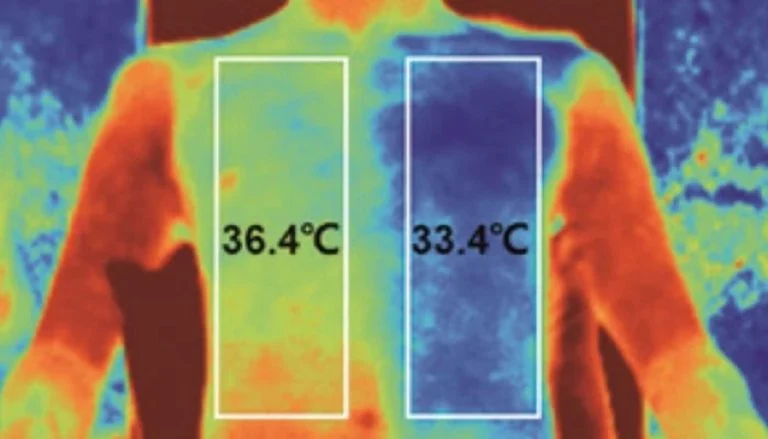
- Blood pressure measurements in research do not establish that acupuncture treats every case of hypertension.
- Body temperature and fever require interpretation according to cause rather than a general regulatory promise.
- An immune marker change is not equivalent to overall immune enhancement or prevention of every illness.
- Endogenous pain-control systems are part of related research without proving effectiveness for every pain cause.
References
- Muñoz-Ortego J, Solans-Domènech M, Carrion C; en representación del ABE Working Group. Medical indications for acupuncture: Systematic review. Med Clin (Barc). 2016 Apr 11. pii: S0025-7753(16)00182-2. doi: 10.1016/j.medcli.2016.02.029.
- Vickers AJ, Cronin AM, Maschino AC, Lewith G, MacPherson H, Foster NE, Sherman KJ, Witt CM, Linde K; Acupuncture Trialists’ Collaboration. Acupuncture for chronic pain: individual patient data meta-analysis. Arch Intern Med. 2012 Oct 22;172(19):1444-53.
Biological responses to acupuncture
Neural and hormonal responses need the context of the particular measurement. They are not a promise to regulate every bodily function.
Acupuncture history, traditional explanations and modern clinical research address different questions. An older reference shows how the method was described at a particular time. It is not by itself a current recommendation or evidence for every condition in a list.
To interpret research, identify the participants, comparison, outcome measure and follow-up. A proposed mechanism does not answer all these questions. Clinical discussion connects general information with the individual and the rest of their care.
For a description of the method, see Medical Acupuncture Methods. Related reading: Medical articles and health information.
Biological effects are not one universal indication
Research explores how needling may affect neural pathways, local tissues and symptoms. One mechanism explaining every application has not been fully established. A list of possible effects is therefore not a list of diseases successfully treated. Personal decisions need evidence for the particular problem, rather than a general account of the brain, pituitary or endorphins.
A substance can participate in normal functioning without every change producing useful clinical benefit. Mentioning endogenous pain control does not establish treatment of every pain cause. A laboratory immune marker change similarly does not mean defences became generally stronger. Interpretation connects the measurement, setting and outcome relevant to the patient. The question is not only whether something biological happened, but whether the proposed application helped the particular population with a meaningful problem and whether benefit persisted long enough to matter.
The comparison shapes what a study shows
Comparing an intervention with none asks a different question from comparison with a sham procedure or active treatment. Expectation, communication and the care environment may contribute to experience. This does not make the symptom imaginary. It means research interpretation should distinguish components instead of attributing every difference exclusively to needle placement. Describing these influences accurately supports a fair discussion of uncertainty and avoids a false requirement to choose between a wholly specific mechanism and dismissing someone’s reported experience altogether.
Duration, participants and persistence of change matter too. A positive average outcome cannot guarantee response for everybody. A citation is insufficient if it studies another condition or measures only an intermediate marker. Clinical decisions can use findings within their limits without requiring universal acceptance of every claim or rejection of every possible use. Ask which outcome was measured and how closely it resembles the problem being considered before translating a general publication into a personal treatment expectation.
Diagnosis and an agreed goal
Before acupuncture, clarify the symptom being targeted and any diagnosis. Blood pressure, fever and fatigue should not automatically be interpreted as one regulation problem. They may require different investigation and treatment. The methods introduction explains procedures, while indication is discussed separately using history, examination, existing care and recommendations for the particular condition. A procedure description should not replace that assessment or create a reason to delay it because the proposed approach claims to regulate the whole body.
A useful goal is observable, such as fewer restricted days or easier performance of an activity. General balance does not explain when an application deserves continuation. Agree a review point and report unwanted effects. Nonresponse informs the next step rather than proving insufficient belief or a need to keep adding sessions without reassessment. An informed plan can be changed, including when an initially plausible explanation does not correspond with what the person actually experiences in everyday life or what remains clinically necessary.
Safety and practical burden
Appropriate training, technique and sterile single-use needles matter without making risk zero. Mention medicines, bleeding problems, pregnancy, skin changes and other relevant history. Ask what to expect and how to report pain, irritation or another problem. A general biological theory does not replace consent for the particular procedure. The person should understand what will be done and retain the ability to pause or stop, rather than assuming discomfort must be accepted to obtain a promised regulatory effect.
Discuss cost, duration, alternatives and coordination with other clinicians. Do not postpone diagnosis or change treatment because a method is described as regulatory. If burden exceeds useful benefit, reconsider the choice. Evidence becomes more useful when it leads to a clear decision for a specific purpose rather than a universal explanation for every possible change in health.
Sources for further information
Medical acupuncture and evidence
Is every biological change a therapeutic outcome?
No. A change needs to be linked with a clinical question, an appropriate comparison and an outcome that matters to the person.
Does recognition of a method establish an indication for every condition?
No. Training, regulation of instruments and evidence of effectiveness are different matters. Each application is considered for its particular purpose, medical history and relevant evidence.