
Psoriasis is a chronic inflammatory skin condition involving the immune system. Its appearance and course are assessed by a dermatologist without restricting it to one age group.
Broad descriptions of weak immunity, an intestinal cause or toxin removal through the skin do not adequately establish the cause of psoriasis. Discussion of complementary approaches must be distinguished from diagnosis and treatment follow-up.
Although there is still no definitive cure for psoriasis, a significant number of treatments help people manage the symptoms.
Complementary and naturally derived applications need separate assessment of effectiveness and safety. It is not established that every natural ingredient reduces inflammation or noticeably improves skin in every person with psoriasis.
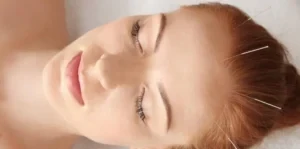
- This article does not establish acupuncture as a definitive psoriasis cure through restored harmony. Complementary use is discussed separately from dermatological treatment.
- Diet and lifestyle deserve suitable advice, without universal restrictive diets or promises of cure.
- Essential oils may irritate skin and should not be generally recommended as a safe blend for every lesion.
- Exclusive use of green olive oil soap is not required. Washing and moisturising choices should suit the skin and treatment.
- Support with stress, smoking or alcohol may belong in wider care, but does not replace treatment of active disease.
Psoriasis and complementary approaches
References to toxins or balance do not adequately explain psoriasis. Dermatological diagnosis remains the reference point.
Skin changes can look similar while having different causes. Diagnosis and the course of the condition provide the context for considering an approach. General references to balance or wellbeing do not replace a description of the actual skin changes and symptoms.
It also matters whether a report measures skin appearance, itching, comfort or quality of life. These are different outcomes. Discussion of complementary care should remain connected to dermatological follow-up and a clear understanding of existing treatment.
Continue with Medical Acupuncture Methods, or browse More articles on health and acupuncture for related articles.
Confirm what is happening to the skin
Psoriasis assessment includes location, extent, symptoms and effects on daily life. Resemblance to an online photograph is insufficient for diagnosis. Assessment guides appropriate treatment and recognition of other conditions. Mention nail, scalp and joint changes, previous product reactions and all medicines or topical applications. Explain how these affected the skin.
Severity is not defined only by surface area. Smaller lesions on hands, face or other sensitive sites can substantially affect functioning and wellbeing. Distress deserves discussion even when the visible area is limited. A clear history is more helpful than describing a need for detoxification or assuming every symptom reflects weak immunity. Ask how the condition will be assessed and which priorities matter, including discomfort, sleep, work and the burden of applying treatment during an ordinary day.
Natural topical products are not automatically gentle
Essential oils, fragrances and handmade products may irritate skin or cause allergy. A soap’s origin does not demonstrate suitability for everyone with psoriasis. Ask about moisturising and washing products appropriate to the skin and existing treatment. New burning, redness or deterioration after a product should be reported rather than tolerated because it is described as therapeutic. A reaction is useful clinical information, not evidence that a detoxification process must be completed before the skin can improve.
Keep a label or ingredient list before adding a preparation. Starting several products together makes it harder to identify an irritant. Existing care does not need wholesale replacement to test an optional change, and prescribed treatment should not be changed independently. Safety concerns the combination, application and actual response rather than simply a traditional or plant based label. A clinician can consider the complete routine when explaining what to continue, stop or investigate after a change in the skin.
Complementary use has specific limits
Relaxation after a session does not prove psoriasis has been cured or a proposed overall balance restored. Studies of complementary applications need assessment of quality, comparison and duration. If acupuncture is discussed, define its goal separately and retain dermatological follow up. It should not be offered as a guaranteed cure because it uses different language or is described as holistic. A person can value an experience of comfort while still needing effective treatment and review of active skin disease.
Management can include topical treatments, phototherapy or systemic options according to severity and response. Choice is not decided only by a preference for natural or chemical. Discuss benefit, risk and monitoring requirements of actual options. The article on acupuncture and psoriasis adds context without replacing an individual decision or assessment of active disease. Information should preserve access to suitable treatments rather than imply that trying a complementary application requires abandoning the established plan or accepting worsening as part of healing.
Follow up beyond appearance
Record itching, pain, sleep and activity difficulties rather than photographs alone. Mention persistent joint stiffness, swelling or pain because possible psoriatic arthritis needs assessment. Sudden widespread redness, pustules or feeling generally unwell requires urgent medical evaluation. These changes are not automatically detoxification and should not wait until complementary sessions finish. A plan should explain which changes need contact and who will review them, so a concerning development is not hidden beneath a general expectation that the skin will eventually improve.
Before choosing a programme, ask about total cost, products, optional services and review timing. A clear plan allows an unhelpful application to stop without blame. The aim is safe disease control and better daily life, retaining access to effective treatment and support. The person’s course does not need to confirm a theory about toxins for their experience or need for care to be valid.
Sources for further information
Skin concerns and realistic expectations
Does a general “toxin” theory explain psoriasis?
No. It does not replace evidence about an inflammatory skin condition or support choosing treatment without dermatological assessment.
What should I mention before discussing complementary skin care?
Mention any established diagnosis, the pattern of flare-ups, medicines and skin products used, and any allergies. These details support a more specific discussion with the dermatologist.