
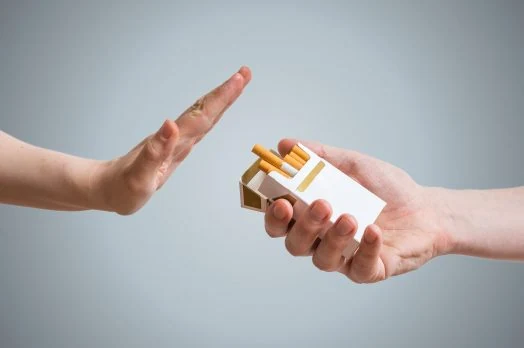
The meta-analysis by Birge and colleagues, published in 2018, examined cigarette experimentation and a history of daily smoking. It does not demonstrate that one trial inevitably causes daily use in every person.
The analysis combined eight representative surveys with 216,314 respondents in English speaking developed countries. Questions concerned ever trying a cigarette and ever smoking daily, including temporarily.
Overall, 60.3% reported ever trying a cigarette. Among them, 68.9% had progressed to daily smoking at some point. These figures describe the particular surveys, not an individual prediction or relapse rate for former smokers.
Researchers emphasised preventing cigarette experimentation. The analysis does not isolate every reason smoking prevalence changes or establish a single cause for population trends across different years.
The findings were published in the journal Nicotine & Tobacco Research.
First cigarette and smoking habits
A research percentage describes its sample, not a certainty for every person. The report can start a discussion about prevention.
Stopping smoking involves dependence, habits and everyday situations. Preparation is more than choosing a date. It includes identifying difficult moments, support from others and a plan for a lapse. Restarting an attempt does not invalidate the goal.
For any cessation method, ask how success is defined and how long it is followed. Temporary changes in craving are not the same as sustained abstinence. General descriptions of sessions cannot guarantee an outcome or the absence of withdrawal symptoms.
Continue with Medical Acupuncture Methods, or browse Smoking Cessation and Supportive Methods for related articles.
What research about a first cigarette measured
The cited meta-analysis combined adults’ answers about ever trying a cigarette and ever smoking daily. It describes a population history rather than an experiment giving one cigarette and observing an immediate consequence. The percentages therefore cannot predict with certainty what happens to each person after one trial. They support prevention without demonstrating that daily smoking is an inevitable result of every individual episode or providing a personal probability that remains unchanged across ages, settings and later circumstances.
The research supports preventing experimentation without presenting dependence as destiny. People who had ever smoked daily were included even when that period was temporary. Past experience is not identical to current smoking status. This detail helps interpret the numbers and prevents their automatic transfer to a different question, such as relapse after quitting.
First experimentation differs from a lapse after stopping
A never smoker and a former smoker thinking about just one are in different situations. Avoiding tobacco is sensible in both, but this study did not calculate the risk for every former smoker. Information is useful when it explains what was measured and what remains outside the research question. An impressive percentage should not become a certain personal prediction, especially when the person is asking about a different stage of tobacco use or how to respond after stopping.
One cigarette during a quit attempt does not mean every gain has been lost or a return to daily smoking is compulsory. Return promptly to the plan and identify the circumstances. The useful question is what happened before smoking and what support could change the next response, rather than whether the person should now label themselves a failure. An honest discussion can begin immediately, without waiting to see whether a brief event develops into regular use or a new attempt becomes necessary.
Prepare for offers and familiar situations
At social meetings, a short prepared answer can help when offered a cigarette. There is no need to explain the entire history or defend the decision in a debate. Choose a seat away from a smoking area and ask friends not to insist. Practical preparation reduces decisions made in the moment, especially when smoking was linked for years with a particular group or activity. The response can be simple enough to use comfortably even when attention is elsewhere.
For young people, information is more useful when it allows questions rather than relying only on fear. Adults can explain dependence, provide a consistent example and avoid portraying some products as harmless experimentation. Existing use needs support appropriate to age and history. Help does not have to wait until smoking becomes daily or heavy. A supportive response should make honest disclosure easier, so a young person is not encouraged to hide use until the difficulty has become more established.
Turn an event into information for the next step
Record where you were, how you felt and what made access easy. Then select a change: a different break, removing a packet or contacting a support person. This helps a professional adapt the plan. There is no need to conceal an event to protect a treatment from appearing unsuccessful or avoid disappointing people providing support. What actually happened is useful information, especially when an earlier plan did not anticipate the specific circumstances that led to smoking again.
If regular use has returned, discuss another organised attempt and available behavioural or medication options. Ask about cost and review so help is workable. Recognising occasional smoking can add to the history. A research percentage does not determine your personal course; the next decision and available support still matter after earlier experimentation or renewed use.
Sources for further information
Planning a smoking quit attempt
Does a population percentage predict what every person will do?
No. The measurement concerns a group and a research method. Individual circumstances differ, so information should not be presented as an inevitable course.
What is useful to discuss before a quit attempt?
Previous attempts, situations that trigger cravings, daily routines and available support are useful starting points. A health professional can explain cessation options and follow-up.