
The medical articles archive brings together various health topics, symptoms and complementary approaches published by Satory. This category serves as a navigation point. It is not a personal medical record and cannot turn a general text into a diagnosis or treatment instruction for a particular person.
Articles in this section
22-

How Acupuncture Works on Pain: What Scientists Explain
-
Prediabetes and electroacupuncture: research questions
-

Virgin olive oil and viruses: interpreting research reports
-

Auricular Acupuncture
-

Medical acupuncture: principles, history and application
-

The history of acupuncture
-

Acupuncture: theoretical explanations and modern studies
-

Medical acceptance of medical acupuncture
-

Medical acupuncture: historical lists and indications
-

Holistic Medicine
-

Chronic Fatigue Syndrome and the Immune System
-

Acupuncture and immune responses: research context
-

Meridians in traditional acupuncture theory
-
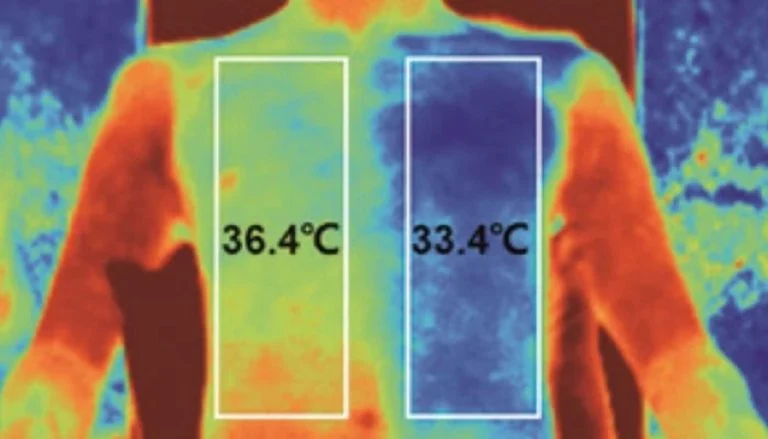
General Actions of Acupuncture
-
Acupuncture for allergic rhinitis
-

Managing insomnia with acupuncture
-

Excess Dietary Fat Leads to Brain Changes and Obesity
-

Stress and acupuncture: descriptions and clinical assessment
-

The Actions of Acupuncture
-

Injectable Facial Implants
-

Research into the action of acupuncture continues
-

Indications for Medical Acupuncture
How to read a medical article responsibly
Each article needs to be read in light of its subject, date, sources and limitations. Similar symptoms may have different causes, while research into a method may concern a specific population or outcome. Citing a study is not enough to support a universal conclusion. Safe use of information includes checking the source and discussing it with the appropriate healthcare professional.
From general information to individual assessment
Use the archive to identify relevant concepts, organise questions and move towards more specialised categories. For a new, severe or rapidly worsening symptom, seeking medical help takes priority over further reading. Do not change medication, doses or treatment based on online content. Individualisation requires a medical history, examination and, where necessary, tests.
For quick navigation, start with the category corresponding to the main symptom and then open the related articles. Give priority to texts that explain which population the evidence applies to, mention precautions and avoid absolute promises. Keep the questions that remain and use them in an individual discussion. In this way, online information prepares you to ask better questions rather than make an independent treatment decision.
Related Information and Next Steps
Also see the main articles hub and Satory's services for clearer navigation by topic. main articles hub. Also see the services guide and the articles hub.
Identify the research question first
Before looking for an article's conclusion, check what it aims to examine. It may concern a mechanism, clinical outcome or comparison of applications. The word acupuncture does not make all publications equivalent. Note the population, method and outcome relevant to your interest. This category organises reports for careful reading without turning every research finding into personal treatment instructions. Considering a proposal needs a connection with your diagnosis and history, together with a clear explanation of what is known, what remains uncertain and why the findings might matter practically. A technical title alone cannot provide that individual context.
Basic research and applications in people
Studying cells or an experimental model may investigate a possible mechanism. This differs from assessing treatment in people with a particular condition. In the prediabetes and electroacupuncture article, keep questions about the research level and limits on translating its findings. A biological change does not independently alter the treating clinician's advice. An interesting report is not a reason to order investigations or adjust medication yourself. The individual conversation connects a general finding with the actual clinical situation while preserving uncertainties and other available options. Understanding the difference helps prevent an experimental result from becoming an unsupported personal recommendation.
Pain mechanisms and treatment decisions
The article about acupuncture and pain mechanisms illustrates the distinction between a recorded response and a personal outcome. An imaging change does not predict the amount or duration of relief by itself. Ask which population was studied and how the measure relates to everyday function. An explanation can be interesting without determining the same choice for every pain condition. Keep the finding you want clarified. This makes discussion more precise than a broad impression that mentioning the brain or nervous system proves treatment of different conditions in the same way or predicts how an individual will respond.
Comparison, measurement and time
Check what the intervention was compared with and what other care participants received. A result compared with no application may answer a different question from another comparison. Also identify what was measured and for how long. A symptom score, function and medicine use are different indicators. Ask how large the change was and what it means practically. Statistical vocabulary is unnecessary to ask these questions. A clear account of the methods and limitations helps avoid assigning a study greater certainty or wider relevance than it actually examined. The same principle applies when a report sounds strongly positive or negative.
Reviews and dates
A review organises several publications, but interpretation still needs their quality and comparability. Look at what was included and what remained uncertain. An older source may have historical value without being a current general recommendation. Keep the title and original source when a finding interests you. A website publication date and the research date are not necessarily identical. This helps prepare a specific question rather than treating one article as the complete evidence base. You can ask the appropriate professional how later findings and the particular medical context affect the meaning of the report you have read.
Moving from reading to an individual discussion
Note what relates to your concern and what remains unclear. Assessment needs history, diagnosis and an understanding of other care. If an application at Satory is discussed, ask for a clear goal, limitations and review point. Costs and prices require current information about the particular service; research does not prescribe charges or the same session count. A few important questions can connect information with an actual decision while considering available time, personal circumstances and coordination with the professional already overseeing your care. This helps preserve the distinction between a research discussion and a plan proposed for you.
Sources for further information
Reading research with clear questions
A research report needs context: which question it examines, whom it concerns and what was measured. Distinguish an original study from its summary in an article. The archive helps you prepare questions without functioning as a personal medical opinion.
Related information from Satory in Marousi: methods introduction. The Contact page and appointment page help you organise an individual discussion at 3 Paradisou and Epidavrou, Marousi, serving visitors from Attica.
Frequently asked questions about medical articles and health information
Can an article provide a diagnosis?
No. Diagnosis requires individual assessment and cannot be derived from a general online description.
How is a source checked?
The organisation, date, population, outcome and stated limitations are examined.
Should treatment be changed after reading?
No. Medication and treatment instructions are changed only in consultation with the responsible healthcare professional.
The information is general and does not replace individual medical assessment, diagnosis or treatment.